Customer Relationship Management (CRM) has evolved far beyond contact databases and pipeline tracking. Today, an enterprise CRM acts as an AI-driven revenue and customer experience engine that connects sales, marketing, customer service, and back-office operations.
When evaluating enterprise-grade CRM platforms, Microsoft Dynamics 365 CRM and Salesforce consistently top the shortlist. In both The Forrester Wave™: Customer Relationship Management (Q1 2025) and the 2026 Gartner® Magic Quadrant™ for CRM Sales Platforms, Microsoft and Salesforce stand out in the Leaders quadrant.
While both platforms handle core CRM fundamentals exceptionally well, they are built on fundamentally different philosophies, licensing models, and technical foundations. This guide provides an updated 2026 side-by-side comparison of Microsoft Dynamics 365 CRM and Salesforce across native integration, AI capabilities, ERP connectivity, China compliance, and Total Cost of Ownership (TCO).
What is Salesforce?
Founded in 1999 and headquartered in San Francisco, Salesforce is a pioneer in cloud-based CRM software. Salesforce offers a pure-play CRM ecosystem—including Sales Cloud, Service Cloud, Marketing Cloud, Commerce Cloud, and Data Cloud—covering lead and opportunity management, sales forecasting, workflow automation, and omnichannel customer engagement. In recent years, Salesforce has heavily focused on autonomous AI workflows through its Agentforce platform.
What is Microsoft Dynamics 365 CRM?
Microsoft Dynamics 365 is a unified suite of intelligent business applications built on Microsoft Dataverse and the Microsoft Cloud. Rather than isolating CRM as a standalone island, Microsoft connects front-office customer engagement directly with workplace productivity tools (Microsoft 365) and back-office ERP systems.
The Microsoft Dynamics 365 CRM (Customer Engagement) portfolio includes five core modular applications:
- Dynamics 365 Sales: AI-powered sales force automation, pipeline management, and revenue intelligence.
- Dynamics 365 Customer Insights: Unified customer data platform (CDP) and real-time marketing automation (formerly Dynamics 365 Marketing).
- Dynamics 365 Customer Service: Case management, knowledge management, and intelligent routing.
- Dynamics 365 Contact Center: A Copilot-first cloud contact center solution across voice and digital channels.
- Dynamics 365 Field Service: Work order management, resource scheduling, and IoT-connected predictive maintenance.
Microsoft Dynamics 365 CRM vs. Salesforce: Key Comparisons
1. Workplace Integration (Microsoft 365 Ecosystem)
For organizations running on Microsoft 365, Dynamics 365 offers an unmatched native experience. Outlook, Microsoft Teams, Excel, Word, SharePoint, and Entra ID (formerly Azure AD) are not third-party plugins to Dynamics 365—they share the same underlying cloud architecture and security model.
- Sellers can view and update Dynamics 365 opportunity records directly inside Outlook or Microsoft Teams channels without switching tabs.
- Live CRM data can be exported to Excel Online, edited in bulk, and published back to Dynamics 365 with a single click.
Salesforce integrates with Microsoft 365 via connectors and the Salesforce for Outlook/Teams add-ins. While functional, the experience relies on middleware synchronization rather than native architecture, which often introduces extra licensing tiers or administrative overhead for heavy Microsoft 365 users.
2. CRM + ERP Unification (Lead-to-Cash)
One of the most structural differences between the two vendors is back-office scope.
Salesforce focuses exclusively on CRM and does not offer a native Enterprise Resource Planning (ERP) system. For manufacturing, distribution, or retail enterprises requiring unified production, inventory, supply chain, and financial management, connecting Salesforce to an external ERP requires third-party integration platforms (such as MuleSoft) and ongoing synchronization maintenance.
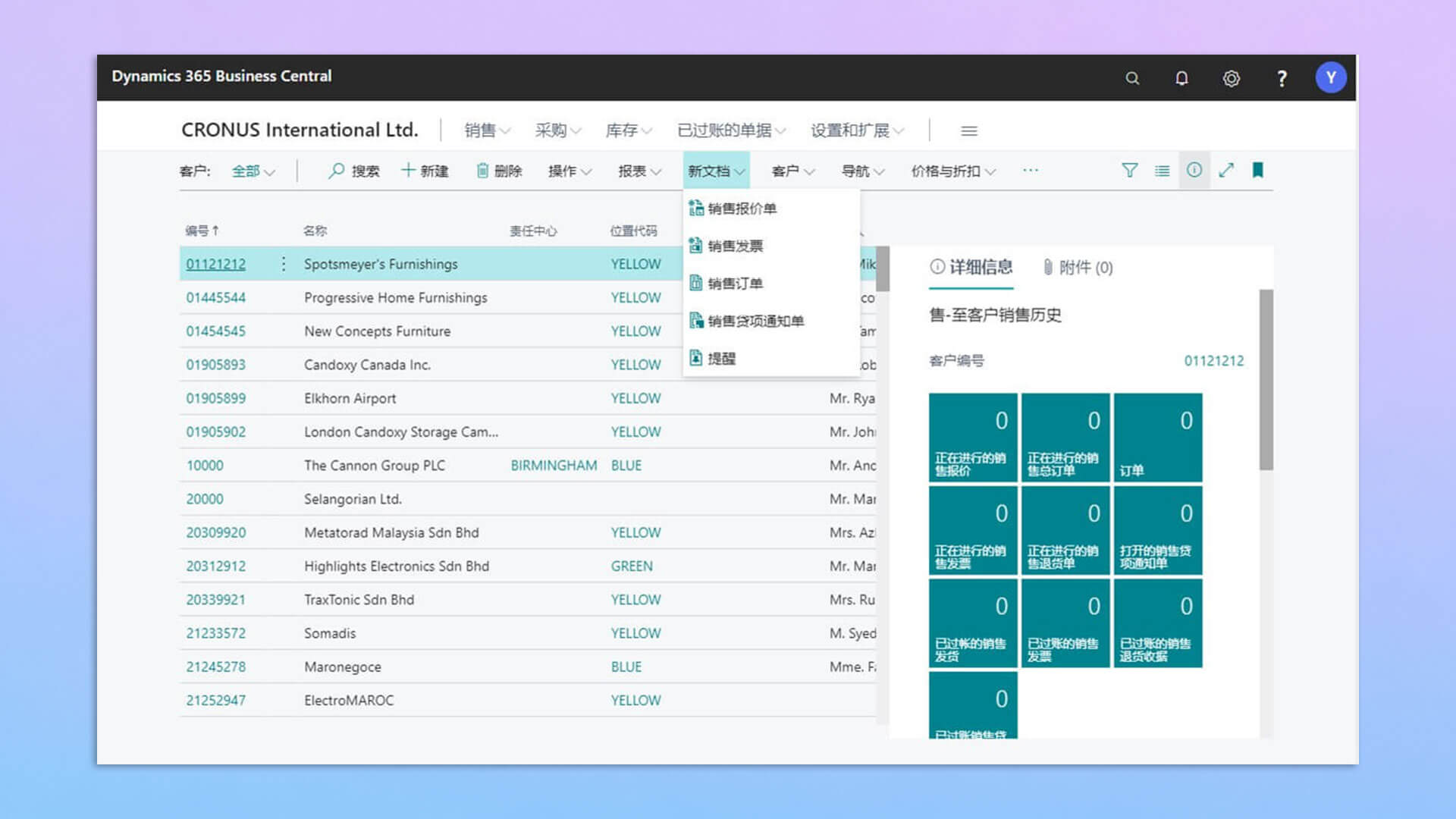
Microsoft Dynamics 365 unifies CRM and ERP on a single data foundation (Dataverse). Dynamics 365 CRM connects natively with Dynamics 365 Business Central (for SMBs and mid-market subsidiaries) and Dynamics 365 Finance & Supply Chain Management (for large enterprises)—as well as offering pre-built connectors for SAP ERP. For example, a sales rep in Dynamics 365 Sales can check real-time warehouse inventory, verify customer credit limits, and convert a CRM quote into an ERP sales invoice without manual re-entry.
3. AI Capabilities: Microsoft Copilot vs. Salesforce Agentforce
In 2026, AI is a primary differentiator in CRM selection:
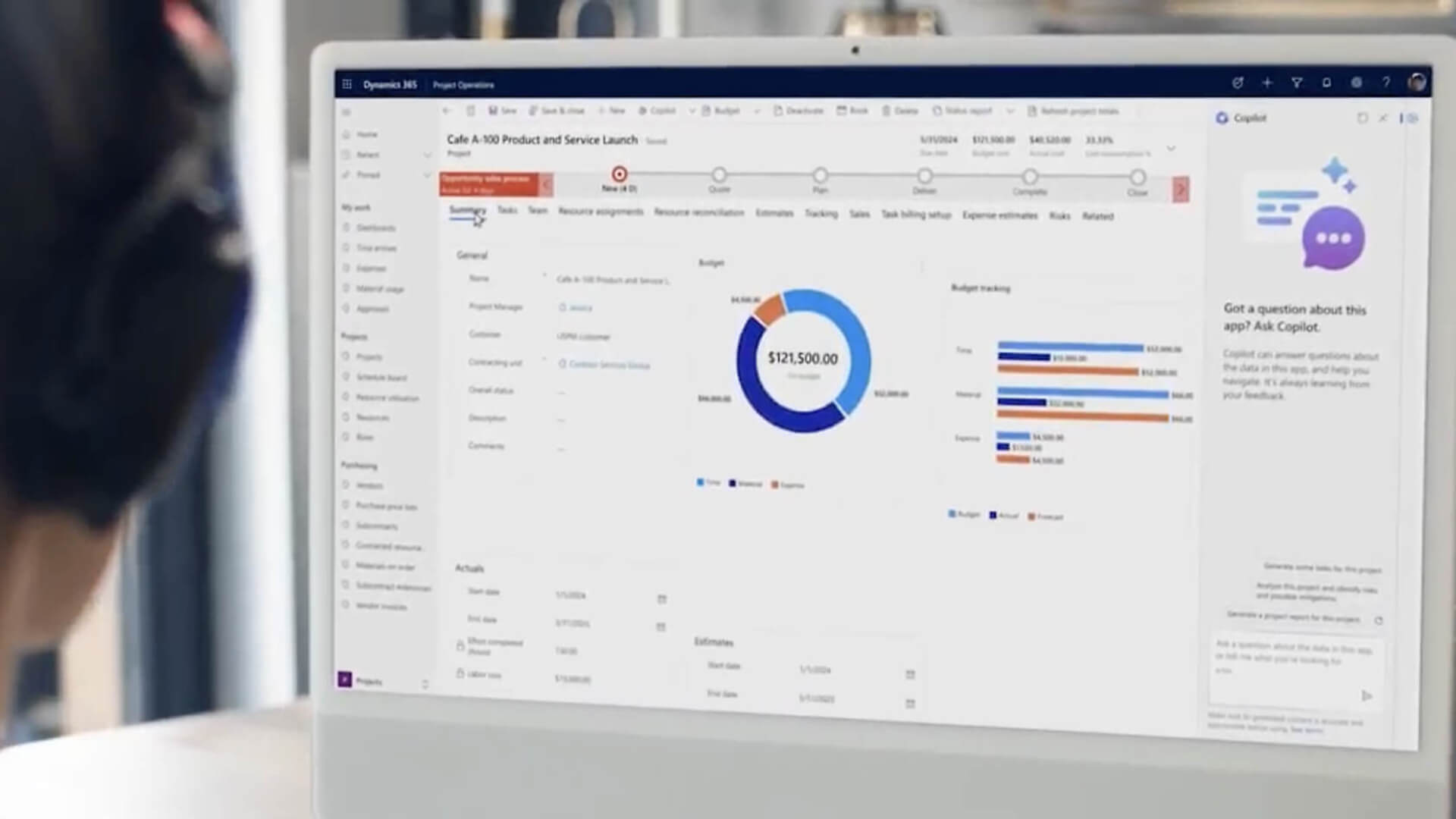
- Microsoft Copilot & Agents in Dynamics 365: Embedded directly across Dynamics 365 and Microsoft 365, Copilot summarizes Teams sales calls, drafts contextual emails in Outlook, and surfaces pipeline risks. In the 2026 Gartner Magic Quadrant, Microsoft was specifically recognized for its Sales Research Agent and Sales Qualification Agent, which blend CRM data, web insights, and enterprise data to automate account research and lead outreach. Custom agents can also be built easily via low-code tools in Microsoft Copilot Studio.
- Salesforce Agentforce: Built on Salesforce Data Cloud, Agentforce allows enterprises to deploy autonomous AI agents across sales and service workflows. While powerful for pure-Salesforce environments, unlocking full Agentforce capabilities typically requires high-tier licensing ($550/user/month for Agentforce 1) or consumption-based Flex Credits ($0.10 per action), which can rapidly escalate costs at scale.
4. Deployment Flexibility
Salesforce operates strictly as a multi-tenant public cloud SaaS platform.
Microsoft Dynamics 365 is cloud-first on Microsoft Azure, but also supports on-premises and hybrid cloud deployments for specific modules. For organizations in highly regulated sectors—such as banking, defense, healthcare, or public sector entities with strict data residency mandates—Dynamics 365 provides deployment flexibility that Salesforce cannot accommodate.
5. Technology Platform and Extensibility
- Microsoft Dynamics 365 is built on the Microsoft Power Platform (Power Apps, Power Automate, and Power BI). Business analysts can configure workflows and custom apps using low-code tools, while professional developers can extend the platform using standard technologies like C#, .NET, JavaScript, and Azure Functions. Because .NET and Azure skills are widely available in the global IT talent market, hiring or assembling a development team is straightforward and cost-effective.
- Salesforce utilizes its proprietary Lightning Platform and Apex programming language. While Salesforce boasts the massive AppExchange marketplace for third-party add-ons, custom enterprise development requires specialized Apex developers, who often command a higher salary premium and increase long-term maintenance costs.
6. Cybersecurity, Global Compliance & China Localization
Both platforms adhere to top global security standards, including ISO 27001, SOC 2, and GDPR. However, for multinational corporations (MNCs) operating in China ("Go China") or Chinese enterprises expanding globally ("Go Global"), the local cloud infrastructure differs significantly:
- Microsoft Dynamics 365 runs on Microsoft Azure globally and is operated locally in Mainland China by 21Vianet (世纪互联). This allows multinational companies to maintain a unified global Dynamics 365 template while ensuring strict compliance with China's Cybersecurity Law, Data Security Law (DSL), and Personal Information Protection Law (PIPL), alongside localized connectivity (such as WeChat / WeCom SCRM integration).
- Salesforce ceased direct global hosting in Mainland China and now operates exclusively via Salesforce on Alibaba Cloud for Mainland China users. While compliant with local regulations, multinational organizations often face architectural differences and feature release lags between their global Salesforce orgs and the Alibaba Cloud instance.
7. 2026 Pricing & Total Cost of Ownership (TCO)
When comparing list prices and multi-application licensing, Dynamics 365 typically delivers a 35% to 50% lower license TCO than equivalent Salesforce tiers.
*Note: Standard US commercial list prices billed annually. Actual pricing varies by region and enterprise agreement.
Why Dynamics 365 Wins on TCO:
- Multi-App Attach Licensing: In Dynamics 365, once a user holds a Base License (e.g., Sales Enterprise at $105/month), adding another module like Customer Service or Field Service costs only $20/user/month as an Attach License. In Salesforce, licensing multiple clouds at the Enterprise level is substantially more expensive.
- Built-in BI and Analytics: Dynamics 365 integrates seamlessly with Power BI (often already included in a company's Microsoft 365 E5 license), whereas advanced analytics in Salesforce (CRM Analytics / Tableau) carries steep add-on costs.
- No Hidden Integration Taxes: Native integration with Outlook, Teams, SharePoint, and Excel comes out of the box with Dynamics 365.
How to Choose: Key Factors to Consider
Regardless of market rankings, the right CRM must align with your enterprise architecture and commercial goals. Evaluate these six factors before committing:
- Your Existing Tech Stack: Does your organization already rely on Microsoft 365, Teams, Azure, or Power BI? If so, Dynamics 365 will drive significantly higher user adoption with minimal friction.
- ERP Integration Needs: Do you need seamless visibility between front-office sales and back-office inventory, production, and finance (such as Dynamics 365 Business Central, Dynamics 365 F&O, or SAP)?
- AI ROI vs. Cost: Do you prefer an embedded AI assistant across daily productivity apps (Microsoft Copilot) with predictable licensing, or standalone autonomous CRM agents (Salesforce Agentforce)?
- Customization & IT Resources: Does your team prefer low-code customization via Power Platform and standard .NET skills, or are you prepared to invest in specialized Apex developers?
- Total Cost of Ownership (3–5 Year Horizon): Have you calculated not just initial seat costs, but also multi-cloud add-ons, API call limits, data storage fees, and implementation services?
- Cross-Border & Local Compliance: If you operate across Mainland China, Asia, Europe, and North America, do you have a certified local implementation partner capable of supporting global rollouts and local regulatory compliance?
Why More Enterprises Are Switching to Microsoft Dynamics 365
According to industry analysts and Microsoft financial disclosures, Dynamics 365 continues to outpace the broader CRM market in revenue growth, driven by enterprise consolidation around AI and unified data platforms. Organizations migrating from Salesforce to Microsoft Dynamics 365 cite six primary advantages:
1. Enterprise-Grade Security Backed by Azure
Backed by Microsoft's multi-billion-dollar annual cybersecurity investments, Dynamics 365 inherits Azure's multi-layered security posture—including Microsoft Entra ID conditional access, end-to-end encryption, automated threat detection, and granular role-based data governance that protects sensitive customer data even when accessed by AI Copilot agents.
2. Predictable, Flexible Licensing
Transitioning to Dynamics 365 allows enterprises to replace fragmented point solutions and expensive per-cloud contracts with modular base-and-attach subscriptions. You pay only for the role-based capabilities each employee actually needs, scaling up or down as business demands shift.
3. Lower IT Administration & Integration Overhead
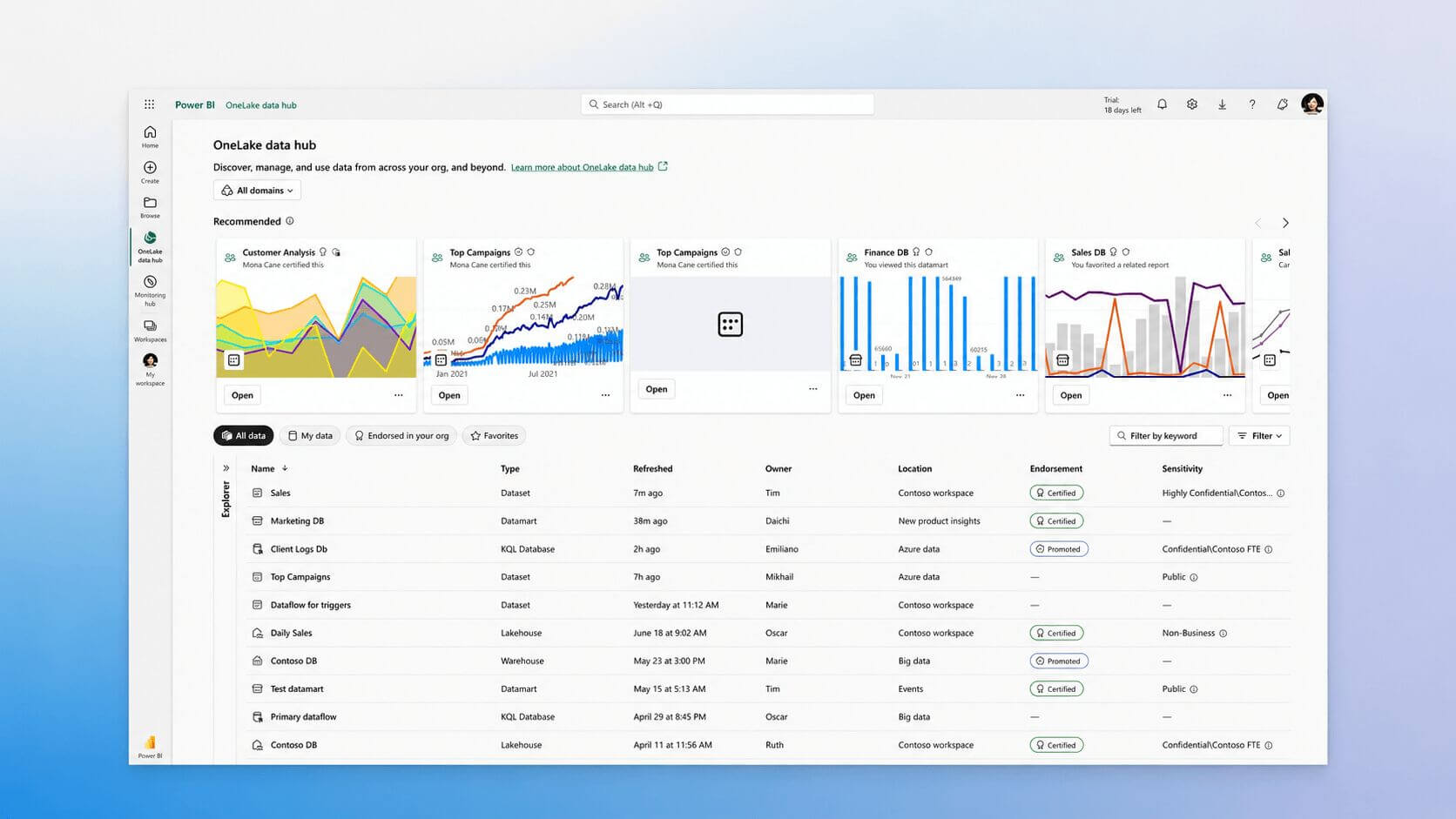
By consolidating CRM, ERP, business intelligence (Power BI), and workflow automation (Power Automate) on a single Microsoft cloud foundation, IT teams eliminate complex middleware maintenance, reduce API synchronization failures, and cut system administration hours.
4. Seamless Cross-Platform & Mobile Productivity
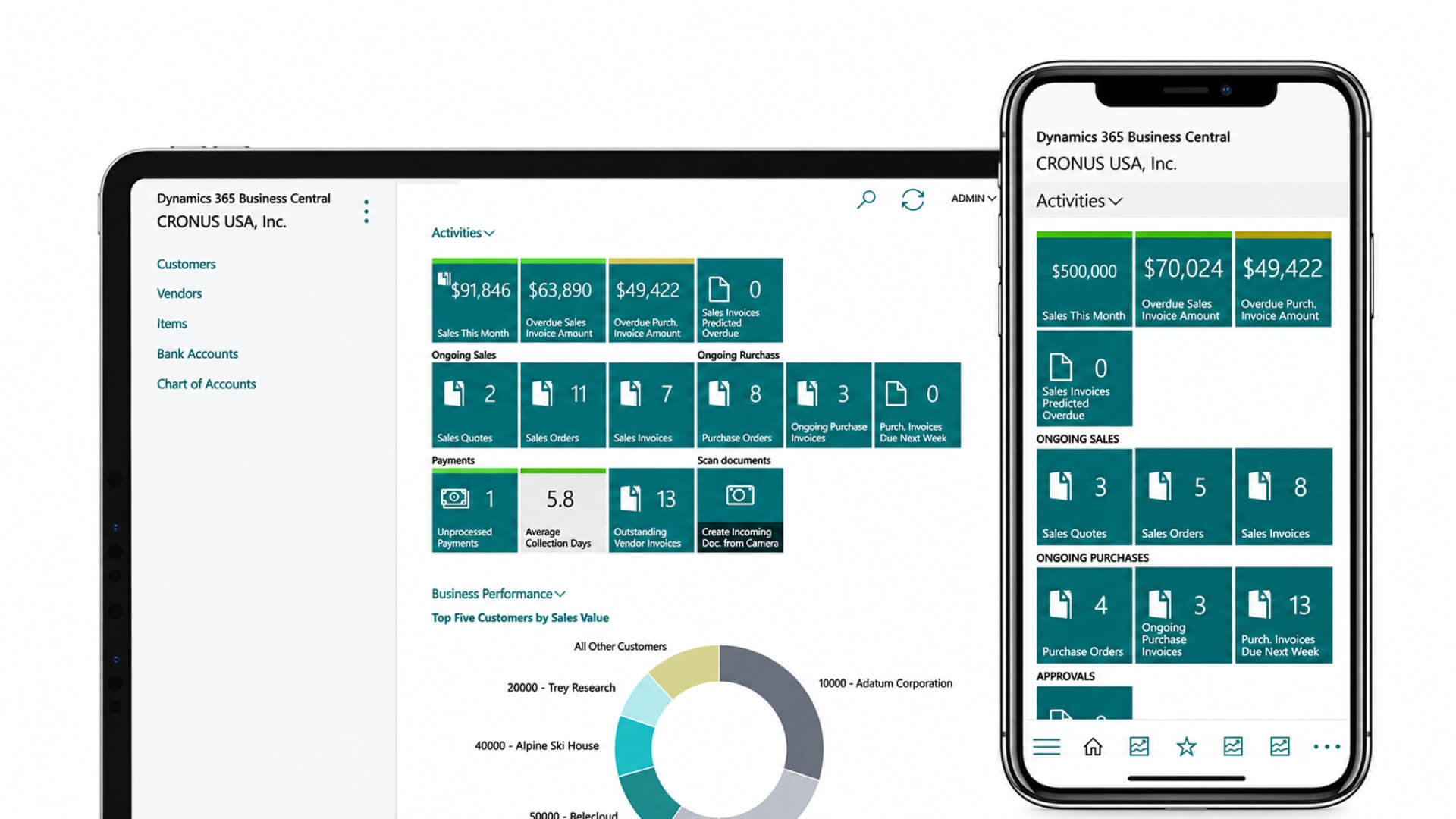
Featuring a responsive, modern web interface and dedicated mobile apps for iOS and Android, Dynamics 365 enables field sales reps and service technicians to access customer insights, log visit notes via voice-to-text, and collaborate on Microsoft Teams from any device, anywhere.
5. Continuous AI Innovation Without Disruptive Upgrades
Microsoft delivers two major release waves per year alongside continuous monthly enhancements. All customers automatically gain access to the latest performance optimizations, Dataverse improvements, and Copilot AI capabilities without costly version-upgrade projects.
6. Native Modern Work & Third-Party Ecosystem
Beyond native integration with Microsoft 365, Teams, and LinkedIn Sales Navigator, Microsoft Power Platform offers over 1,000 pre-built connectors—enabling effortless data orchestration with SAP, Adobe, e-commerce platforms, and local Chinese digital ecosystems.
Next Steps: Experience Microsoft Dynamics 365 CRM in Action
Choosing or migrating an enterprise CRM is a strategic decision. As a trusted Microsoft Solutions Partner with deep implementation expertise across China, Asia, and global markets, Tectura helps multinational corporations and fast-growing enterprises design, localize, and deploy high-ROI Dynamics 365 CRM and ERP solutions.
Contact Tectura today to schedule a personalized Microsoft Dynamics 365 CRM demo, request a custom TCO & licensing assessment, or start your guided free trial.